



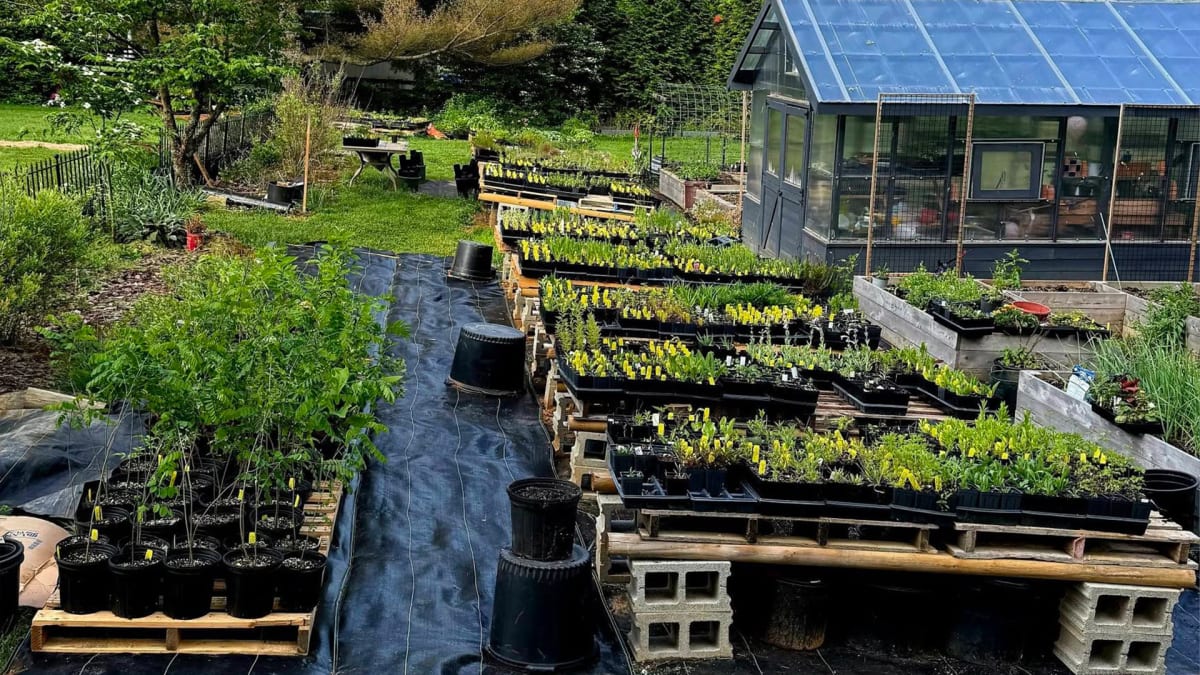
Bloom Where You Belong
Every July, more Kentucky homeowners are swapping traditional flower beds for native landscapes that thrive in local summers. The growing trend replaces thirsty annuals with hardy native plants, creating lower-maintenance yards that attract butterflies, hummingbirds, and bees while reducing the need for frequent watering.
The shift is changing what people shop for, too. Instead of asking which flowers bloom the longest, gardeners are asking which plants feed monarch caterpillars, support native bees, or thrive without constant attention. Across Kentucky, local nurseries are helping make those choices easier by growing species that belong here in the first place.
Where Kentucky Gardeners Are Shopping
If you're ready to rethink a flower bed or add a few pollinator-friendly corners to the yard, these nurseries are giving gardeners plenty of inspiration.
- Dropseed Native Plant Nursery in Goshen specializes in Kentucky-native wildflowers, grasses, sedges, ferns, shrubs, and trees grown for local landscapes and wildlife.
- Ironweed Native Plant Nursery in Waddy focuses exclusively on native plants, offering gardeners species selected to support pollinators and healthy ecosystems.
- Tina's Plants & Such in Georgetown grows a wide selection of native perennials alongside other garden favorites, making it easy for beginners to mix familiar blooms with Kentucky natives.
- Oakland Farm Trees in Paris supplies native and ornamental trees that help homeowners build landscapes with lasting shade, seasonal color, and ecological value.
- Peaceful Heritage Nursery and Farm in Stanford offers locally grown native plants while sharing practical advice that helps gardeners choose the right plants for the right spaces.
For anyone unsure where to begin, the Kentucky Native Plant Society makes the learning curve much less intimidating. Its native plant supplier directory connects homeowners with reputable growers across the state, while educational resources explain which plants perform best in different regions and growing conditions.
Native gardening doesn't ask homeowners to sacrifice colorful blooms or attractive landscaping. It simply rewards choices that fit Kentucky's climate and wildlife. By the end of summer, the butterflies usually notice first. Before long, the neighbors tend to notice too. A yard filled with native plants becomes more than something nice to look at. It becomes a small piece of Kentucky doing what Kentucky does best
For more information about home and garden shops where you can begin your native plants journey, check out https://www.guidetokentucky.com/home-garden!
