



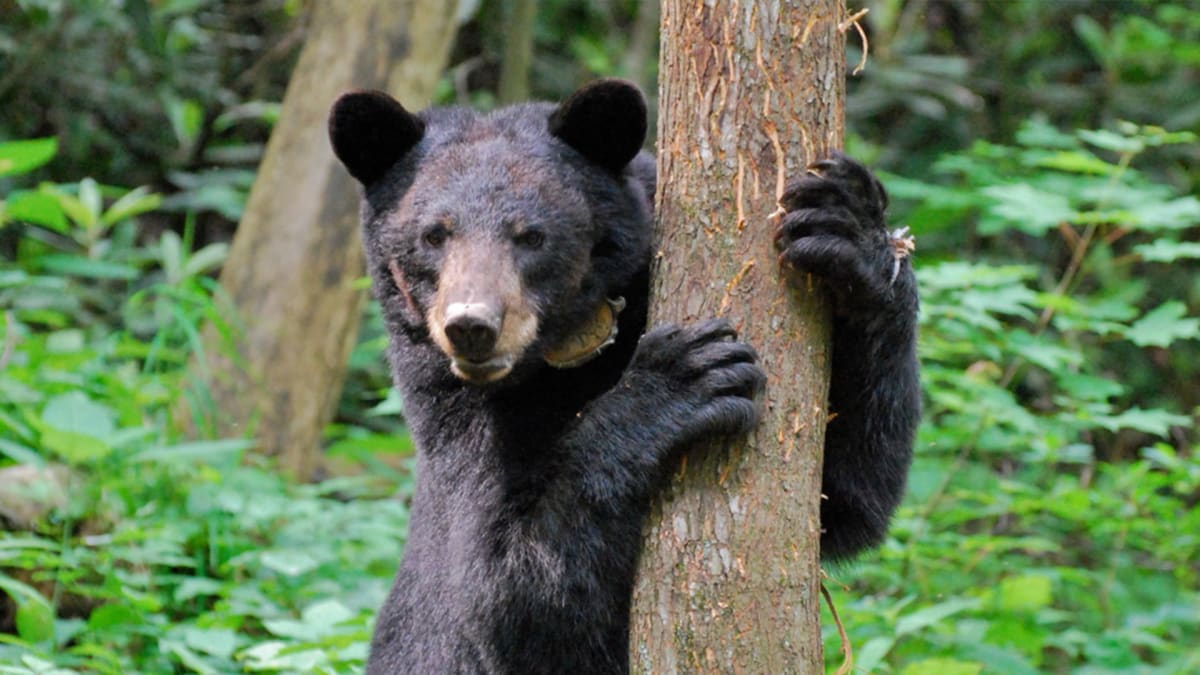
Fuzzy, Curious, and On the Move!
Don't be surprised if your next unexpected summer visitor has four legs, black fur, and absolutely no interest in paying rent! Young black bears are roaming well beyond their usual territory this summer, and wildlife officials say it's all part of a healthy, growing population.
Every summer, black bear yearlings reach a milestone that sounds familiar to plenty of parents: they leave home. According to the Kentucky Department of Fish & Wildlife Resources, young bears separate from their mothers during the summer months and begin searching for territories of their own. That journey can take them many miles from where they were born, which explains why sightings are becoming more common in places that haven't traditionally been considered bear country.
While eastern Kentucky remains the heart of the state's black bear population, reports are steadily increasing in central parts of the state as well. In most cases, these bears aren't settling into neighborhoods or looking for trouble. They're simply passing through while exploring new home ranges before eventually moving on.
A Little Prevention Goes a Long Way
The good news is that black bears generally want to avoid people. What they don't want to avoid is an easy meal. Bird feeders, pet food left outdoors, overflowing trash cans, and even dirty barbecue grills can quickly grab a hungry bear's attention.
Wildlife officials encourage homeowners to remove or secure those food sources, especially if a bear has been spotted nearby. Taking down bird feeders during active bear sightings, storing garbage in sturdy containers, feeding pets indoors, and cleaning outdoor cooking equipment can all help convince curious bears to continue their journey elsewhere.
Seeing a black bear may feel unusual, but it's also a sign that decades of conservation efforts are paying off. Once nearly eliminated from Kentucky, black bears have steadily expanded their range thanks to habitat protection and careful wildlife management. Their growing presence reflects healthier forests and thriving ecosystems across much of the state.
For anyone lucky enough to spot one, the best advice is simple: admire it from a safe distance, never approach or feed it, and give it plenty of space to keep moving. With a little common sense and a few preventative steps around the house, people and bears can comfortably share the landscape while these young wanderers continue their summer adventures.
Get in touch with the great outdoors with our full guide at https://www.guidetokentucky.com/sports-recreation!
