



Kentucky’s Got the Bike Bug!
October is Kentucky cycling’s diplomatic season. Summer heat backs off, hills become slightly less personal, and riders who spent August hiding near air-conditioning remember why they bought the helmet.
In Paducah, the inaugural Hills & Hollers for Habitat rolls out October 10 from Rosebower Church at 1120 Tyree Road. Riders can choose 10, 23, or 44 miles across flat and hilly terrain, with SAG support and three rest stops. Registration is $35, and proceeds benefit Paducah-McCracken County Habitat for Humanity.
The routes use low-traffic paved roads through McCracken, Graves, and Marshall counties, including country near Clarks River National Wildlife Refuge. The refuge protects bottomland hardwood forest along the river’s east and west forks, giving the ride a western Kentucky backdrop more memorable than another hour staring at a stationary bike’s tiny screen.
Trails Create Customers
In Lexington, the Legacy Trail shows how public infrastructure feeds a cycling economy. Its original northern stretch runs from Iron Works Pike toward the North Lexington Family YMCA, while connections through Town Branch Commons help form a 12-mile shared-use corridor between downtown and the Kentucky Horse Park. A dependable route gives commuters, families, and recreational riders somewhere to go, which in turn creates demand for bikes, repairs, gear, and the occasional emergency inner tube.
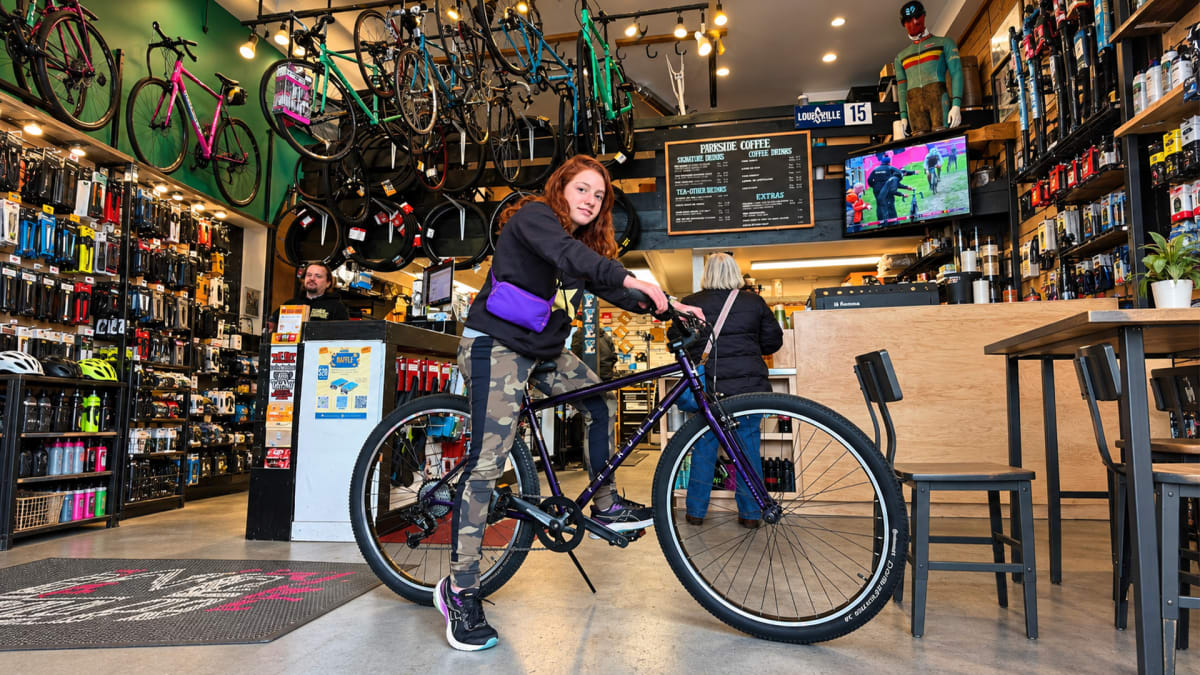
Louisville’s Parkside Bikes fills that practical role as an independent, full-service shop. It sells bicycles, e-bikes, components, and equipment while handling repairs that keep existing bikes on the road. That last part matters. A cycling community cannot live on new-bike day alone, delightful though new-bike day may be.
Where Policy Meets the Pavement
The statewide conversation moves to Berea on October 22 and 23 for the Kentucky Bicycle and Bikeway Commission’s 2026 annual meeting. Registration is free and open to the public. Created by the legislature in 1992, the commission represents bicyclists’ interests and advises the Kentucky Transportation Cabinet on the use, extent, and location of bikeways.
That work connects the whole chain. Roads and trails shape whether people feel comfortable riding. Events give them a reason to start. Shops provide equipment and expertise. Public meetings determine which connections may come next.
Kentucky’s bike business is therefore bigger than retail. It includes recreation, transportation planning, conservation landscapes, nonprofit fundraising, and local service work. Fall merely makes the machinery easier to see, preferably from a saddle.
Find more places to ride and get outside in the Guide to Kentucky recreation directory: https://www.guidetokentucky.com/recreation-places