



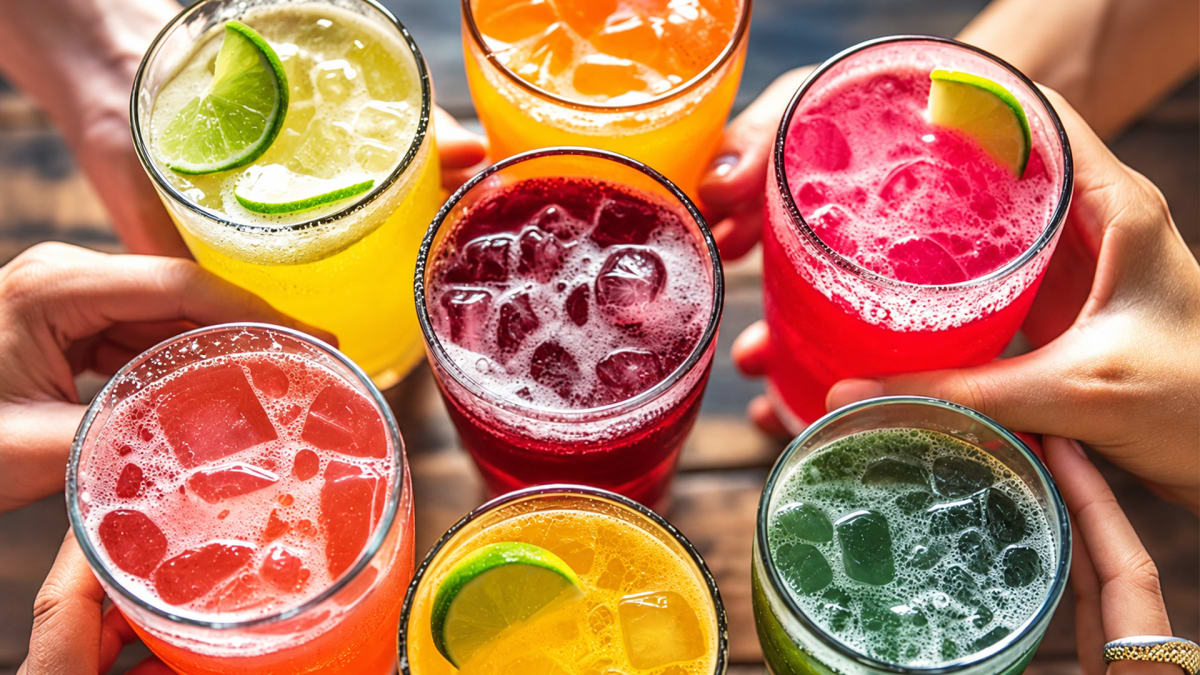
The Snack Aisle is Changing Colors!
Your snack cabinet has a manufacturing story to tell. In Northern Kentucky, more than $16 million is going toward a deceptively tricky assignment: changing where food’s color comes from without losing the look shoppers recognize.
ADM’s Boone County expansion will add 14,000 square feet of manufacturing space, increase production of liquid and dry-blended colors, and is expected to create more than 40 salaried and hourly jobs. The new capacity is scheduled to become operational in early 2027.
Behind those numbers is a grocery aisle undergoing reformulation. Food and beverage manufacturers are responding to consumer preferences and changing regulatory expectations by replacing artificial colors with naturally derived alternatives. ADM estimates the North American conversion opportunity at more than $1 billion. That is a substantial business built around something shoppers might barely notice until it changes.
Color does considerable work before anyone takes a bite. ADM describes it as a signal of flavor, a way to reinforce brand identity and a means of attracting attention. For a familiar product, that makes appearance part of the reformulation challenge: changing the color source while preserving recognition.
The ingredient options read partly like a produce inventory. ADM’s naturally derived color portfolio includes sources such as black carrots, red cabbage, beets and hibiscus for reds and pinks, with spirulina among its options for blues and greens. Getting the intended shade, however, takes more than selecting something colorful.
According to ADM’s technical guidance, performance depends on the food itself, processing conditions, light exposure and pH, or acidity. A color formulation therefore has to suit its particular assignment. The company uses customized blends and emulsion technology, including systems designed for heat and light stability. Looking right in development is only the beginning.
For manufacturers, the practical questions follow the product: can that shade remain consistent across production runs, through processing, and during shipping and storage? ADM says the expansion supports customers from sourcing and formulation through commercial production. The challenge is making a familiar appearance repeatable at scale.
That work gives Northern Kentucky a larger role in the business. The project follows a recent $26 million investment at ADM’s neighboring Erlanger facility; the company employs more than 1,300 people throughout the region.
Next time a bright drink or candy catches your eye, consider the agriculture, formulation and manufacturing behind it. That little splash of color has quite a production schedule.
Explore the grocery aisle through stores in the Guide to Kentucky directory: https://www.guidetokentucky.com/grocery-stores